Play real piano before you read a note.
Sheet music isn't the entrance exam. Songs are built from patterns your hands can learn directly, and reading comes easier once you can already play. The traditional order is backwards for adults.
Free. It maps what's been in your way and what your path looks like.
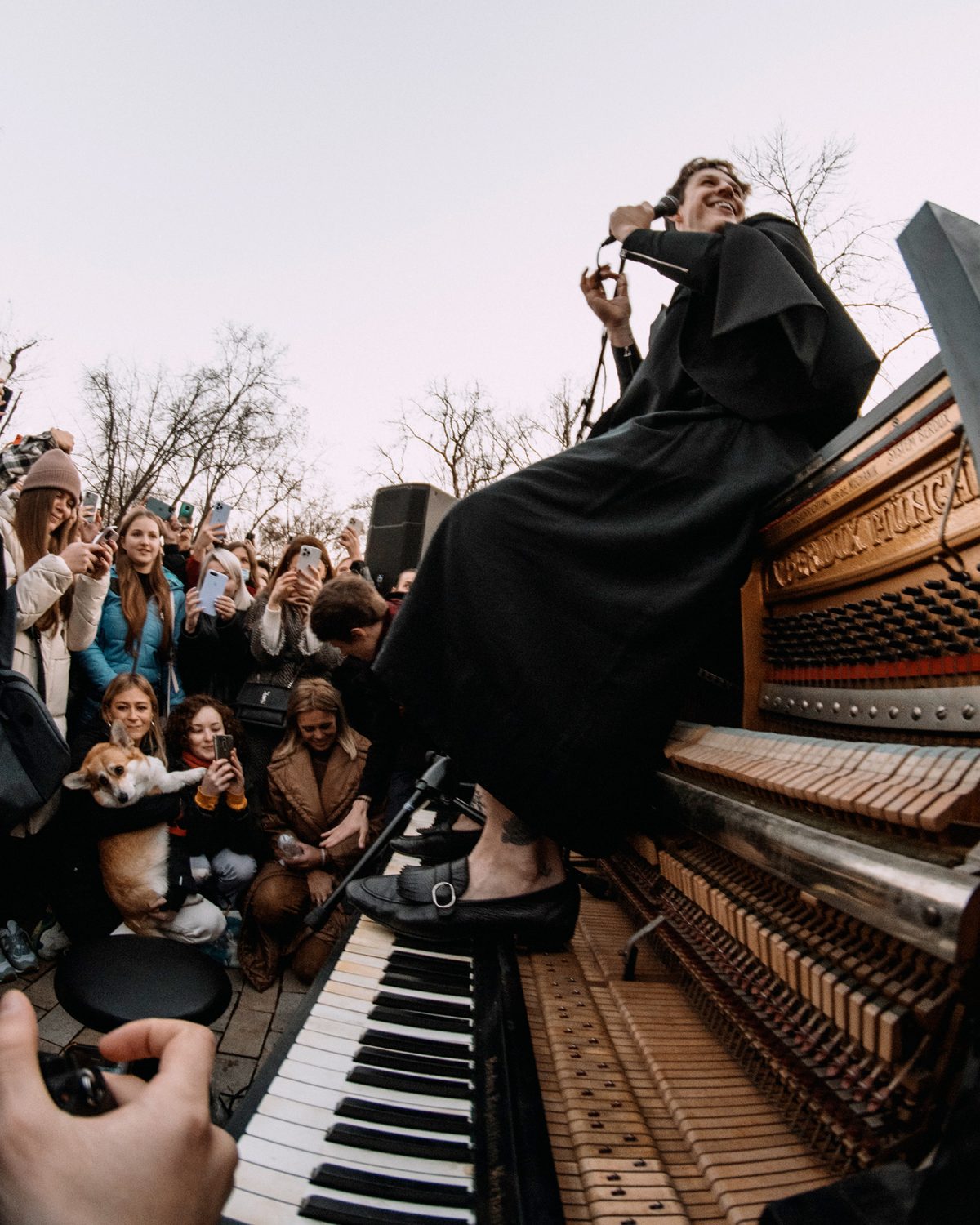
There was no sheet music on the street piano.
Why notation-first stalls adult learners
Reading music is a beautiful skill. Making it the gate you must pass before touching real music is the mistake.
It front-loads the driest part
Staff lines, note names, and counting drills before a single song you'd choose to play. Adults don't have patience for homework with no payoff, and they shouldn't. That order kills the momentum you walked in with.
It hides the patterns
Real songs run on chords, progressions, and shapes that repeat across all of music. Notation-first teaching buries those patterns under symbols, so you decode dots instead of learning how music actually works.
The app "fix" isn't playing either
Falling-note games remove notation but replace it with screen-following. Take the screen away and there's still no song. The answer isn't no structure. It's the right order of structure.
Music first. Reading through the music.
On the Ridley Method you play a real song from the very beginning, hands on keys, no notation required. Reading and theory arrive later, taught through the songs you already play, where every symbol finally has a sound attached. You end up doing both: playing and reading.
Notation is names for things your hands already know.
Four phases. Music from day one.
First Song
You play a real song from the very beginning. Not an exercise. A song.
Real Repertoire
One song becomes a set: a growing list of pieces you can sit down and play.
Musical Fluency
Reading, theory, and technique come together through the music itself.
Your Sound
You stop reproducing and start expressing. The piano becomes yours.
"A professional musician with a music education degree calls the method streamlined, effective and exciting."
Alice Saddler · Verified review
Alice is a professional musician with a music education degree. Her words for the method: "streamlined, effective and exciting."
At 68, Glenwood learned to play with both hands and read music in one year, starting from songs, not from drills.
Three answers to the sheet-music problem
Skip it forever, drill it first, or learn it through the music. Only one makes players.
| Apps | Traditional lessons | The Ridley Method | |
|---|---|---|---|
| How they handle notation | Skip it. Falling notes replace reading forever. | Drill it first, before any music you care about. | Learn it later, through songs you already play. |
| Time to your first real song | Often never. Simplified arrangements on a screen, not the real thing. | Months to years. Scales and method books come first. | Real songs are the starting point, not the reward. |
| Can you play without the screen or the page? | No. The screen is the crutch. | Often not. The page becomes the crutch. | Yes. Patterns first means the music lives in your hands. |
| Built for adults | Built for engagement streaks, any age. | Built for children working toward exams. | Built for adults. Most of our students are over 50. |
| Personal feedback | An algorithm scoring key presses. | Yes, 30 to 60 minutes a week. | A mentor who knows your playing and your goals. |
| Cost over two years | A subscription that keeps billing whether you progress or not. | Two years of weekly private lessons runs $5,200 to $10,400. | Walked through openly on a free Breakthrough Session. |
Who learns this way
- Sheet music is the thing that's kept you from starting, or the thing that made you quit last time.
- You want your hands on real songs now, and you're happy to learn reading once it has a reason.
- You tried the falling-note apps and noticed you were following, not playing.
- You're willing to practice, as long as the practice is actually going somewhere.
If that's you, the 60-second quiz is the easiest next step. It maps where you are and what your path would look like.
Playing without sheet music: the questions we hear most
Can you learn piano without reading sheet music?
Yes. You can play real songs without reading a note, and starting that way is faster for most adults. Reading comes later, taught through the songs you already play, so notation lands as names for things your hands already know.
Is it bad to learn without sheet music?
No, as long as reading isn't skipped forever. The traditional order (notation first, music later) stalls adults. The reverse order keeps momentum and still gets you reading. For one real example: Glenwood Clark started at 68 and in one year learned to play with both hands and read music.
How do you play piano without reading music?
Real songs are built from patterns: chords, progressions, and shapes that repeat across music. Learn the patterns inside songs you love and you can play long before you can sight-read. That's how Stephen learned on a street piano, and it's how the method starts.
Will I ever learn to read music?
Yes. Reading and theory arrive in the Musical Fluency phase, taught through your repertoire rather than through drills. Most students find notation far easier once they can already play.
Is playing by ear or reading music better?
They're not rivals; they're stages. Pattern-playing gets you making music now, and reading multiplies what you can learn later. A method built for adults sequences them in that order.
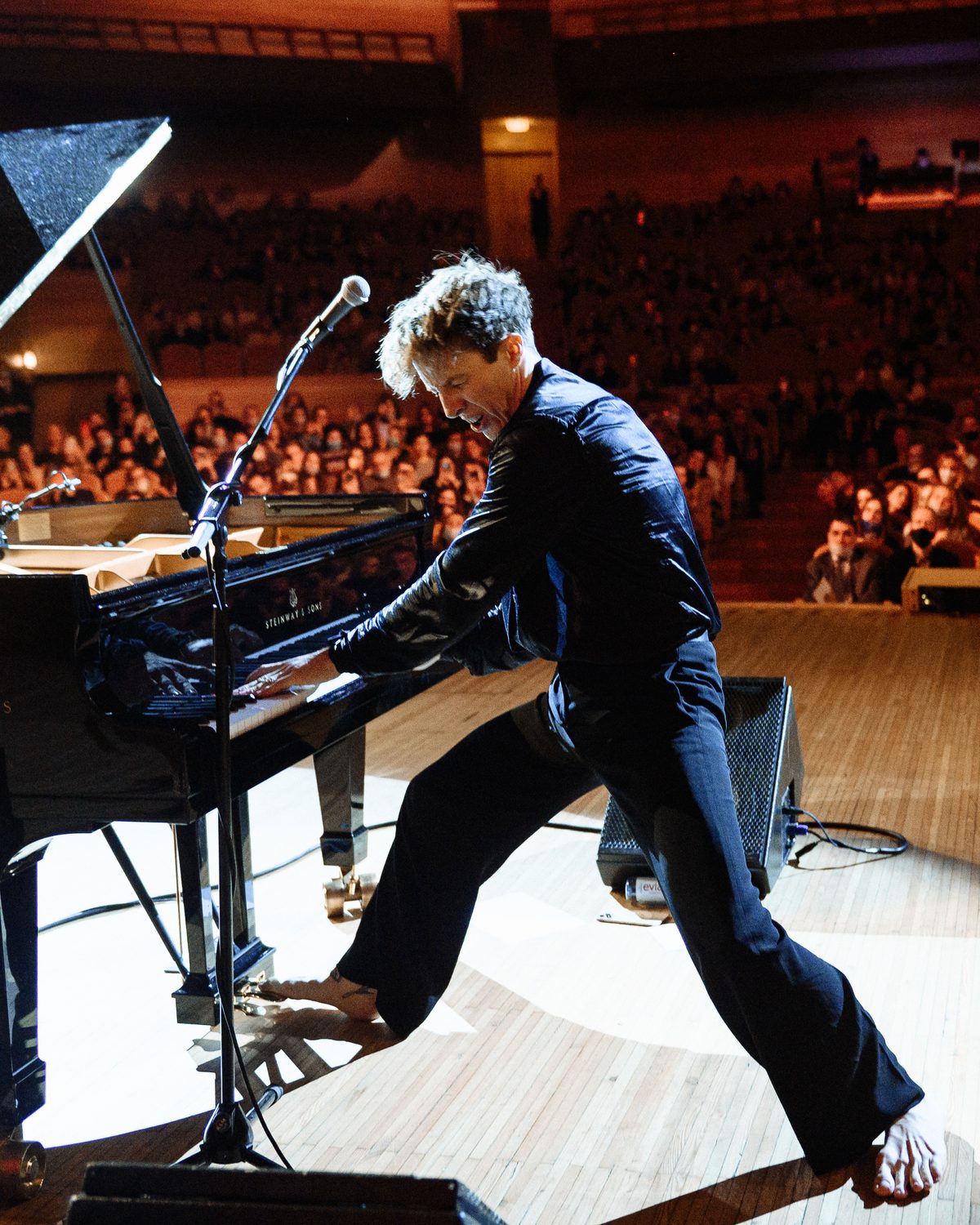
The method came from the street, not the conservatory.
Stephen Ridley learned on a beat-up street piano, found the structure inside real songs, and turned that into a method he has spent 10+ years teaching and performing worldwide. Today it has carried 40,000+ students in 60+ countries, with 1,300+ five-star reviews. Most of them are adults.
Read Stephen's storyAs featured & trusted across








The dots on the page can wait. The music can't.
Sixty seconds. It maps what's been in your way and what your path looks like.
Take the 60-second quiz